




How to Detect and Prevent Check Fraud
The Impacts of Check Fraud
Check fraud is one of the fastest-growing financial crimes in the country — and criminals are targeting everyday mailboxes.
In a single six-month period in 2023, FinCEN received 15,417 reports on mail theft-related check fraud totaling more than $688 million in suspicious activity nationwide. Of those stolen checks, 44% were altered before deposit.
Protecting your checks is one of the most important steps you can take to safeguard your money.
What is Check Fraud?
Check fraud happens when a criminal steals, alters, or counterfeits a check to take money that isn’t theirs.
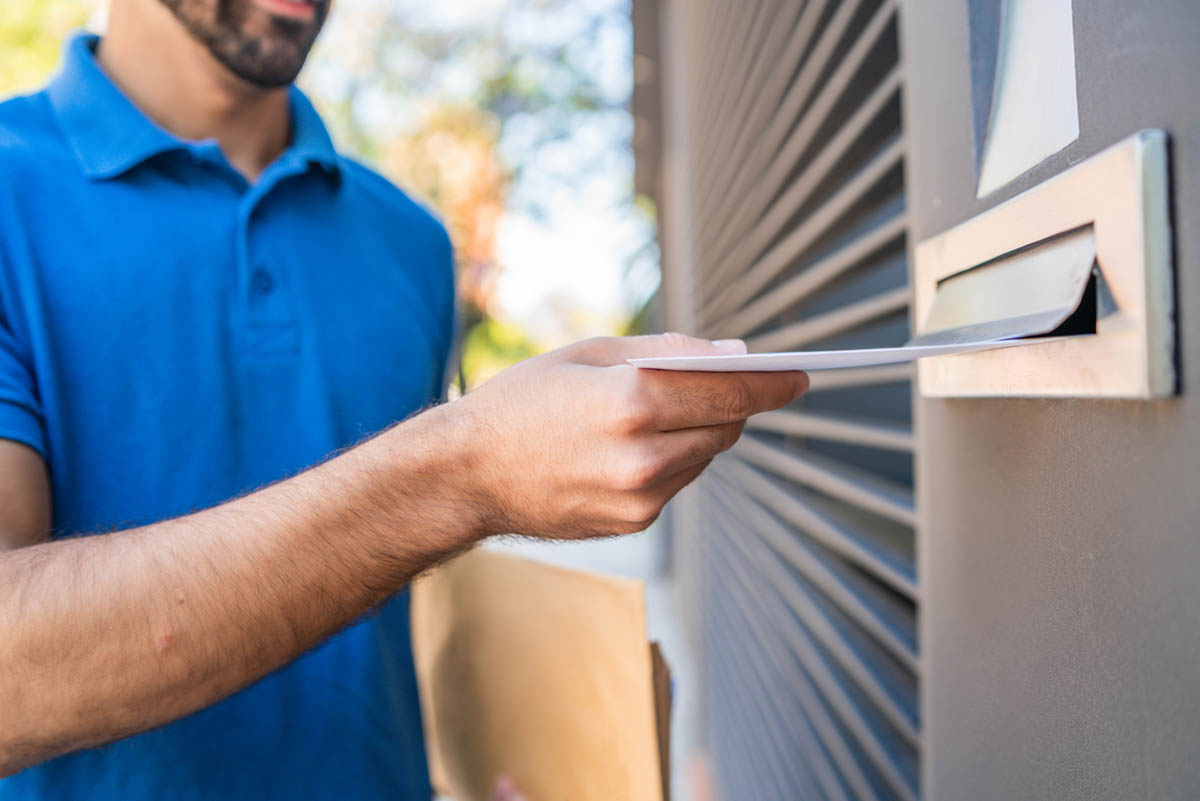
Today, the most common version involves mail theft. For example, someone steals a check from a mailbox or USPS collection box, then chemically treats it to erase the original payee name and amount. The criminal rewrites the check to themselves or an accomplice and deposits it before anyone knows it’s missing.
They may also print counterfeit checks with your account and routing numbers.
The Warning Signs
If you see something suspicious, contact your banker immediately using the number on the back of your card or visit your nearest branch. Report suspected mail theft to the U.S. Postal Inspection Service at postalinspectors.uspis.gov.
- A check clears your account to an unfamiliar payee or for an unexpected amount
- Mail goes missing, especially around bill payment time, or expected statements don’t arrive
- You receive calls from creditors about bills you thought were paid
- Your bank notifies you of a returned check you don’t remember writing
- Unfamiliar withdrawals appear shortly after you mailed checks
Steps to Protect Yourself from Check Fraud
Because stolen checks may not be presented for days or weeks, you may not know until the damage is done. Reduce your risk by following these tips:
- Use electronic payments when possible: Online bill pay and ACH transfers eliminate the risk of a check being stolen in transit. Ask your HomeTrust banker about digital payment options.
- Mail checks at the post office, not the mailbox: Avoid leaving outgoing mail in your home mailbox overnight. Drop payments directly inside a USPS facility.
- Use a gel pink pen: Gel ink resists the chemicals used in check washing. Ballpoint ink does not.
- Monitor your accounts regularly: Review statements frequently. Report any check that appears cashed to an unfamiliar payee or for an amount you don’t recognize immediately.
- Protect your account number: Your account and routing numbers are printed on every check you write. Limit how many checks you issue and shred old checkbooks securely.

Check Fraud for Businesses
Business accounts are high-value targets for check fraud. Criminals use stolen account and routing numbers — visible on every check — to create counterfeit payments, redirect vendor disbursements, and damage your business credit profile.
According to the 2025 AFP Payments Fraud Report, 79% of organizations reported attempted or actual payment fraud in 2024. For businesses, a single fraudulent transaction can mean significant cash flow disruption and operational cost.
Steps to Protect Your Business
Businesses can update processes and use treasury services to deter.
- Enroll in Positive Pay: Positive Pay automatically compares checks presented for payment against your issued check file and flags discrepancies before funds are released. This is the single most effective check fraud control for businesses. Contact your HomeTrust relationship manager to enroll.
- Move disbursements to ACH and other electronic payments: Replacing check payments with ACH for recurring vendors eliminates exposure for those payment.
- Implement dual controls on all disbursements: Require two authorized employees to approve check issuance and wire transfers.
- Reconcile accounts daily: The faster fraudulent items are identified, the greater the chance of recovery. Daily reconciliation is now a standard business banking best practice.
- Secure your check stock: Store blank checks in a locked location. Issue only what is needed, use sequential numbering, and account for every item.
Fraud Prevention Reminder
Despite a 25% decline in check usage, the ABA reports check fraud has nearly doubled since 2021. Knowing the warning signs and how to respond is a critical part of protecting your money.
HomeTrust Bank will never ask you to share your account number, routing number, or check details via unsolicited calls, texts, or emails. When in doubt, hang up and call us directly at 800.627.1632.
Ready for What’s Next?
Have questions? Ready to start building a relationship with one of our experienced bankers?